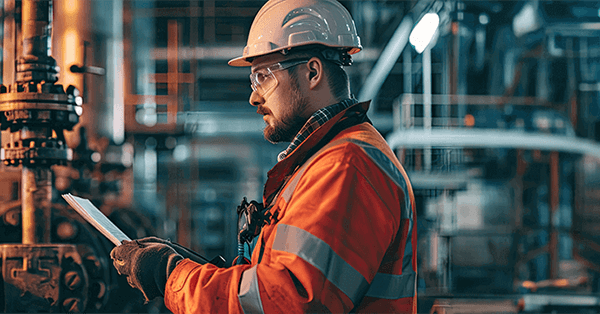
Reliable equipment is the foundation of every successful manufacturing operation. Production schedules, product quality, employee safety, and customer satisfaction all depend on machines performing consistently. Even a single equipment failure can interrupt production, delay deliveries, and increase operating expenses. Many manufacturers use cmms software to organize maintenance activities, monitor equipment performance, and reduce the likelihood of unexpected breakdowns.
Improving equipment reliability does not always require major investments or replacing existing machinery. In many cases, small improvements in maintenance practices, employee training, and operational planning can significantly increase equipment performance while reducing long term costs.
Make Preventive Maintenance a Priority
One of the most effective ways to improve equipment reliability is through preventive maintenance. Instead of waiting for machinery to fail, maintenance teams perform routine inspections and servicing according to a planned schedule.
Tasks such as cleaning, lubrication, calibration, filter replacement, and component inspections help prevent small issues from becoming major mechanical failures. Consistent maintenance also helps equipment operate more efficiently throughout its lifespan.
Train Equipment Operators
Machine operators spend more time with equipment than anyone else. They are often the first to notice unusual sounds, vibrations, temperature changes, or performance issues.
Providing employees with proper training enables them to recognize early warning signs and report problems before they become serious. Encouraging operators to take responsibility for basic equipment care also contributes to a stronger maintenance culture across the organization.
Keep Accurate Maintenance Records
Reliable maintenance depends on good information. Every repair, inspection, replacement part, and service activity should be documented carefully.
Maintenance records help organizations identify recurring issues, understand equipment history, and evaluate long term performance. This information supports better planning and allows maintenance teams to make informed decisions about future repairs and equipment replacement.
Perform Regular Equipment Inspections
Routine inspections provide opportunities to detect problems before they disrupt production. Visual inspections, performance testing, and operational checks allow maintenance teams to identify worn components, loose connections, leaks, and other developing issues.
Scheduling inspections at regular intervals reduces the likelihood of unexpected failures while improving overall equipment reliability.
Use Quality Replacement Parts
Choosing low quality replacement components may reduce costs initially, but it often leads to more frequent failures and additional maintenance work.
Manufacturers should use reliable parts that meet equipment specifications whenever repairs are performed. High quality components generally last longer, improve equipment performance, and reduce the risk of repeated breakdowns.
Maintain a Clean Working Environment
Dust, dirt, moisture, and debris can significantly affect equipment performance. Manufacturing facilities should maintain clean work areas to prevent contaminants from damaging machinery.
Regular cleaning also improves visibility during inspections, making it easier for maintenance teams to identify developing problems before they become more serious.
A clean production environment benefits both equipment reliability and workplace safety.
Monitor Equipment Performance
Equipment performance should be monitored continuously rather than only when problems occur. Tracking factors such as operating hours, energy consumption, output quality, temperature, and vibration can help identify changes that indicate developing mechanical issues.
By monitoring performance trends, organizations can schedule maintenance before failures occur instead of reacting after equipment stops working.
Improve Communication Between Teams
Equipment reliability depends on cooperation between production staff, maintenance teams, and management.
Operators should report equipment concerns immediately rather than waiting until scheduled maintenance. Maintenance personnel should communicate completed repairs, recurring issues, and recommendations clearly so everyone understands the current condition of each asset.
Strong communication reduces misunderstandings and helps organizations respond more quickly to maintenance needs.
Plan Spare Parts Inventory
Waiting for replacement parts after equipment fails often increases downtime. Businesses should maintain an inventory of commonly used components so repairs can be completed without unnecessary delays.
Reviewing maintenance history helps identify which parts should always be available. Proper inventory planning reduces repair time and supports more efficient maintenance operations.
Analyze Equipment Failures
Every equipment failure provides valuable information. Rather than simply repairing the immediate problem, organizations should investigate why the failure occurred.
Root cause analysis helps identify underlying issues such as inadequate maintenance, improper operation, poor quality components, or environmental conditions. Addressing the true cause reduces the likelihood of similar failures occurring in the future.
Build a Culture of Continuous Improvement
Improving equipment reliability is not a one time project. It requires continuous evaluation and improvement.
Organizations should regularly review maintenance procedures, employee training programs, inspection schedules, and equipment performance data. Small improvements made consistently over time often produce significant long term results.
Encouraging employees to suggest maintenance improvements also creates greater involvement and strengthens overall operational performance.
Investing in Reliability Pays Long Term Benefits
Reliable equipment contributes to higher productivity, lower maintenance costs, improved product quality, and better customer satisfaction. Businesses that focus on preventive maintenance and continuous improvement often experience fewer production interruptions while maximizing the value of their equipment investments.
Although improving maintenance practices requires planning and commitment, the long term financial and operational benefits make the effort worthwhile.
Final Thoughts
Equipment reliability plays a critical role in manufacturing success. Organizations that prioritize preventive maintenance, employee training, routine inspections, and effective communication are better prepared to reduce downtime and improve operational efficiency.
If you are exploring business technology to support maintenance management or other operational needs, App Finder Guru is a useful resource for comparing software solutions, reviewing business tools, and identifying platforms that align with your organization’s requirements. Making informed software decisions today can help create more reliable and efficient operations for the future.